

When Sex Hurts: Understanding Pelvic Pain and Penetration Disorder
Sex is often portrayed as something that should feel natural, pleasurable and easy.
But for many people, penetration can be painful, uncomfortable, frightening or simply something they have learned to avoid.
And when this happens, it can be accompanied by an enormous amount of shame.
"Why can't I just relax?"
"What's wrong with me?"
"Why can everyone else do this but me?"
"What if my partner gets frustrated?"
These thoughts are incredibly common — but they don't mean there is anything wrong with you.
What is Pelvic Pain and Penetration Disorder?
Pelvic Pain and Penetration Disorder (PPPD) refers to difficulties involving vaginal penetration that can include pain, fear or anxiety about penetration, difficulty with penetration, or involuntary tightening of the pelvic floor muscles.
For some people, penetration may be uncomfortable or painful. For others, the anticipation of pain can create significant anxiety or fear.
And sometimes the body responds to that fear before we have even consciously realised we are frightened.
The pelvic floor muscles can tighten.
We may hold our breath.
We may become hyper-aware of sensations in the body.
We may stop feeling relaxed or connected.
And this can create a cycle:
Fear → tension → pain → more fear → more tension → avoidance
The more this happens, the more difficult intimacy can begin to feel.
Pain is real — even when there is no obvious cause
One of the most important things to understand about pelvic pain is that pain does not need to have an obvious or visible cause to be real.
Pain is a complex experience involving the body, nervous system, emotions, previous experiences and the context in which the sensation occurs.
This doesn't mean that pain is "all in your head."
Quite the opposite.
It means that our experience of pain is influenced by a whole range of factors — and that there can be multiple pathways to improving it.
A medical assessment can be an important first step to rule out or address physical causes of pain. Depending on the individual, support may also involve pelvic health physiotherapy, medical care, psychological therapy, sexological support or a combination of approaches.
The shame around penetration
One of the biggest barriers to seeking help can be shame.
We live in a culture where penetration is often presented as the expected endpoint of sex.
So when penetration isn't possible, isn't enjoyable, or hurts, people can feel as though they are somehow failing.
But penetration is not a measure of sexual success.
Sexual intimacy can involve kissing, touching, oral sex, massage, mutual stimulation, sensual connection, intimacy, affection, fantasy, communication and countless other experiences.
There is no single way to have a satisfying sex life.
Your body isn't betraying you
If your pelvic floor tightens when you anticipate penetration, your body isn't deliberately making things difficult.
It may be responding to something it has learned to associate with threat, pain or discomfort.
Rather than thinking:
"My body is broken."
We can begin to explore:
"My body is trying to protect me. What does it need to feel safe?"
That change in language can be surprisingly powerful.
Moving from pressure to permission
One of the most helpful things we can do when working with pelvic pain and penetration difficulties is to remove the pressure to "perform."
Instead of:
"I need to be able to have penetrative sex."
Try:
"I want to understand my body and build experiences of safety, comfort and pleasure."
There is a big difference.
When the goal becomes connection rather than penetration, there is often more room for curiosity.
You can slow down.
You can stop.
You can communicate.
You can explore what feels comfortable.
And you can discover that intimacy doesn't have to be a test that you pass or fail.
Reducing shame starts with talking about it
If penetration is painful or difficult for you, you are not alone — and you don't have to simply put up with it.
You deserve healthcare and sexual health support that takes your experience seriously and allows you to talk openly without judgement.
Most importantly:
Pain is not a failure.
Your body is not broken.
You don't owe anyone penetration.
And asking for help is not something to be embarrassed about.
Sometimes the first step towards sexual wellbeing isn't having more sex.
Sometimes it's finally being able to talk about what has been happening.
New Women's Mental Health & Relationships Program
Starting Wednesday, 1st July 2026, from 5:30pm to 6:30pm, Sammy Sex Talks will be facilitating a Women's Mental Health and Relationships Program at The Buzz Yarrabilba.
The program continues on the first Wednesday of every month, providing a welcoming and supportive space for women to explore topics including:
Mental wellbeing
Healthy relationships
Self-care and self-worth
Resilience and coping strategies
Personal growth and empowerment
Dating and relationship confidence
Whether you're looking to strengthen your relationships, improve your emotional wellbeing, connect with other women, or simply take some time to invest in yourself, we'd love to welcome you.
We believe that honest conversations can create connection, reduce shame, and remind us that we are rarely the only person experiencing what we are experiencing.
Come along, meet other women, learn some practical tools, and take a little time for yourself.
We look forward to connecting with you!
"Authentic connection begins when we show up as ourselves."
Warm regards,
Sammy Sex Talks
Real conversations about relationships, intimacy, connection, dating, and wellbeing.
Making Scheduled Sex Sexy
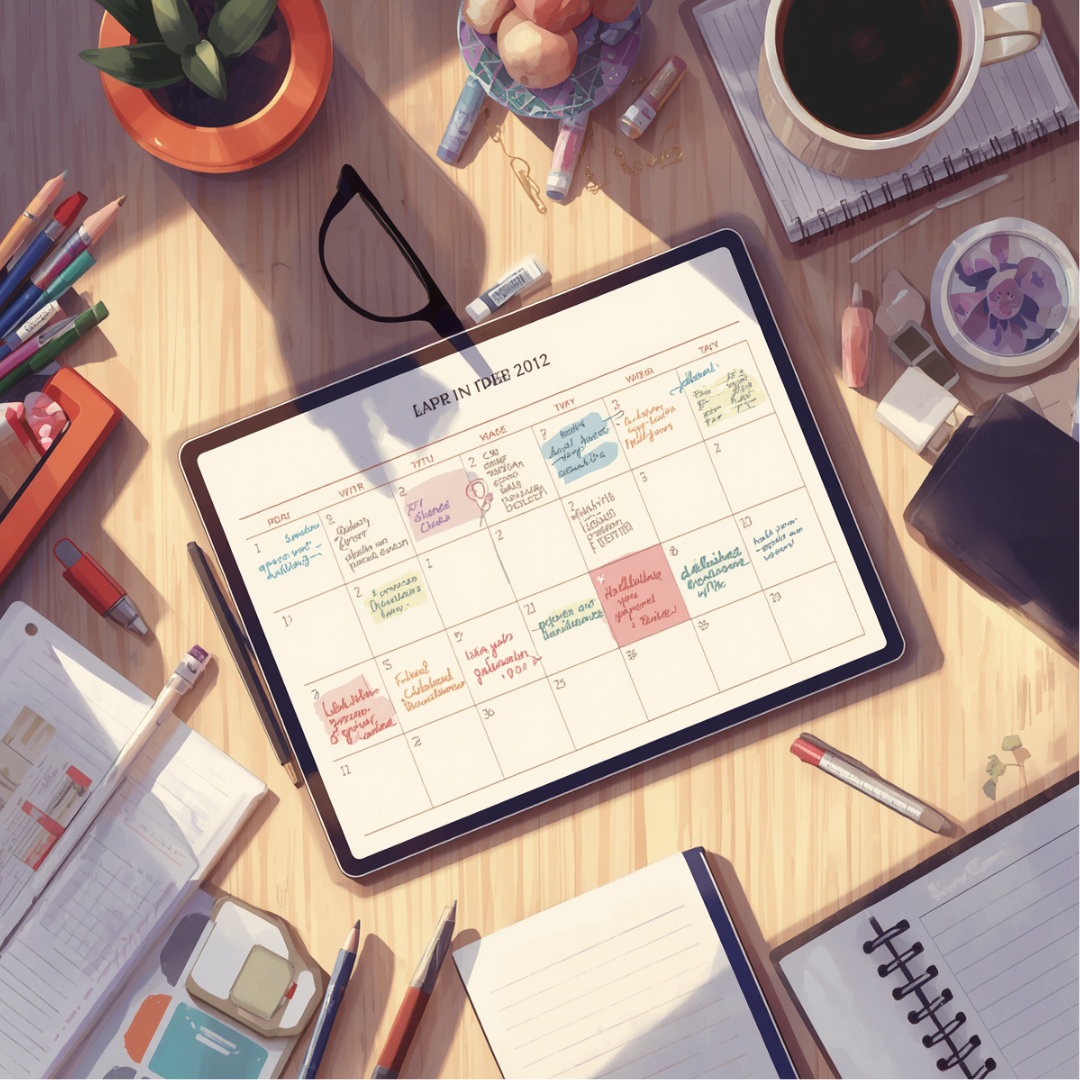
When people hear the phrase scheduled sex, it can sound anything but romantic. It may bring to mind calendars, reminders, and a sense that intimacy has become another item on the to-do list. But the truth is, scheduling intimacy can actually create more connection, anticipation, and pleasure in a relationship.
In busy lives filled with work, parenting, responsibilities, and mental load, waiting for spontaneous desire to magically appear can leave couples feeling disconnected. Planning time for intimacy is not a sign that passion is gone — it is a sign that the relationship matters enough to make space for it.
Why Scheduled Sex Can Be Sexy
It Creates Anticipation
Knowing that you have intentional time together can build excitement throughout the day or week. Anticipation is a powerful ingredient in desire, and looking forward to intimacy can make the experience feel more meaningful and playful.
It Prioritises Connection
When intimacy is left to chance, it is often the first thing to disappear when life gets busy. Scheduling time together says, our relationship deserves attention too.
It Reduces Pressure
Planned intimacy does not have to mean performing on demand. Instead, it can be an invitation to slow down, connect, cuddle, talk, flirt, or explore what feels good in that moment.
It Encourages Creativity
A planned date for intimacy can become an opportunity to make things feel special. You might send flirty messages, create a relaxing environment, dress up, try something new, or simply focus on being present with each other.
How to Make It Feel Less Like a Task
Call it connection time rather than scheduled sex.
Build anticipation with small gestures during the day.
Create a ritual such as music, candles, a shared bath, or uninterrupted conversation.
Keep expectations flexible — intimacy can include touch, affection, emotional connection, and pleasure, not just intercourse.
Talk openly about what each of you wants and needs.
The Real Secret
Scheduled sex becomes sexy when it is approached with intention, curiosity, and care. It is not about forcing desire; it is about creating the conditions where desire has room to grow.
Sometimes the sexiest thing is knowing that, in the middle of busy lives, two people have chosen to make each other a priority.
Exciting Changes to Our Group Programs
We are excited to share some upcoming changes to how and when we deliver our group programs. Watch this space for new opportunities to connect, learn, and grow within a supportive community environment.
New Women's Mental Health and Relationships Program
Starting Wednesday, 1st July 2026, from 5:30pm to 6:30pm, Sammy Sex Talks will be facilitating a Women's Mental Health and Relationships Program at The Buzz Yarrabilba.
This program will continue on the first Wednesday of every month, providing a welcoming and supportive space for women to explore topics relating to:
Mental wellbeing
Healthy relationships
Self-care and self-worth
Resilience and coping strategies
Personal growth and empowerment
Dating and relationship confidence
Whether you are looking to strengthen relationships, improve your emotional wellbeing, connect with other women, or simply take some time to invest in yourself, we would love to welcome you.
We look forward to connecting with you and continuing to support our community with practical tools, honest conversations, and a little bit of relationship wisdom along the way.
"Authentic connection begins when we show up as ourselves."
Warm regards,
Sammy Sex Talks
Real conversations about relationships, intimacy, connection, dating, and wellbeing.

Surviving Online Dating: How to Create a Profile That Attracts the Right People
Online dating has transformed the way people meet and build relationships. Whether you're looking for a long-term partner, casual dating, companionship, or simply exploring what's out there, dating apps can open the door to exciting new connections.
However, online dating can also feel overwhelming, frustrating, and at times exhausting. Endless swiping, mismatched expectations, ghosting, and disappointing conversations can leave even the most confident person questioning whether it's worth the effort.
The good news is that online dating doesn't have to feel like a full-time job. With a thoughtful approach and a profile that genuinely reflects who you are, you can increase your chances of attracting people who align with your values, goals, and interests.
Online Dating Is Now a Normal Way to Meet
Despite its challenges, online dating has become one of the most common ways people meet romantic partners. Research suggests that approximately one in three couples now meet online, making dating apps and websites a mainstream pathway to finding connection and relationships.
This shift has created opportunities for people to meet partners they may never have crossed paths with otherwise. Online dating can connect individuals across different social circles, workplaces, communities, and lifestyles, expanding the possibilities for meaningful relationships.
However, it's important to acknowledge that online dating is simply a tool—not a guarantee of compatibility or relationship success. Apps are designed to introduce people, but building trust, attraction, communication, and emotional intimacy still takes time and effort offline.
While online dating can lead to wonderful relationships, it can also create unrealistic expectations, decision fatigue, and the temptation to view people as profiles rather than human beings. Approaching the experience with patience, authenticity, and realistic expectations can help make the process more rewarding and less emotionally draining.
Why Does Online Dating Feel So Hard?
Many people enter online dating expecting immediate chemistry and quick results. In reality, online dating is often a process of filtering through many potential connections before finding someone compatible.
Common challenges include:
Feeling overwhelmed by too many choices
Experiencing ghosting or inconsistent communication
Matching with people who want different things
Burnout from repetitive conversations
Feeling rejected when connections don't progress
Comparing yourself to others online
It's important to remember that a lack of connection is not a reflection of your worth. Dating is about compatibility, not popularity.
Setting Up a Profile That Attracts the Right People
Your profile is your introduction. It should give potential matches a genuine snapshot of who you are while helping filter out people who aren't aligned with your goals.
1. Use Recent and Authentic Photos
Choose photos that accurately represent you today.
Include:
A clear smiling headshot
A full-body photo
Pictures of you enjoying hobbies or interests
Photos that reflect your lifestyle
Avoid:
Heavily filtered images
Photos that are more than a few years old
Group shots where people can't tell which person you are
Photos that don't reflect how you currently look
Authenticity builds trust from the beginning.
2. Be Clear About What You're Looking For
One of the biggest mistakes people make is trying to appeal to everyone.
Instead, be honest about your intentions. Whether you're seeking a serious relationship, casual dating, companionship, or simply meeting new people, clarity helps attract those looking for similar experiences.
3. Let Your Personality Shine
Rather than listing generic qualities, share specific details about yourself.
Instead of:
"I love travel and having fun."
Try:
"My perfect weekend involves exploring a new hiking trail, finding great coffee, and ending the day with live music."
Specific details help create meaningful conversation starters.
4. Focus on Positivity
People are naturally drawn to positive energy.
Avoid profiles that focus heavily on what you don't want. While boundaries are important, leading with negativity can unintentionally push away quality matches.
Instead of:
"Don't message me if you're going to waste my time."
Try:
"I'm looking forward to connecting with someone who values honesty, communication, and a good sense of humour."
5. Highlight Your Values
Physical attraction may create initial interest, but shared values often determine long-term compatibility.
Consider mentioning:
Family values
Lifestyle preferences
Relationship goals
Personal growth
Health and wellbeing
Hobbies and passions
The right people will often be attracted to your values more than your appearance.
How to Protect Your Mental Health While Dating Online
1. Don't Take Rejection Personally
Not every match will lead to a connection, and that's okay. Compatibility involves timing, chemistry, life circumstances, and individual preferences.
A match not progressing doesn't mean there is anything wrong with you.
2. Take Breaks When Needed
If dating starts feeling draining rather than exciting, give yourself permission to step back.
Burnout is common and taking a break can help you return with a healthier mindset.
3. Trust Your Instincts
If something feels off, pay attention.
Healthy connections are built on mutual respect, consistency, honesty, and clear communication.
4. Maintain Your Life Outside Dating
Continue investing in friendships, hobbies, career goals, self-care, and personal growth.
The healthiest relationships often develop when dating becomes part of a fulfilling life rather than the centre of it.
5. Remember Your Worth
Online dating can sometimes make people feel like they are being judged or measured against others.
Your value is not determined by the number of matches, messages, or dates you receive. The goal is not to attract everyone—it's to attract the right people.
Dating With Confidence
Approaching online dating with confidence, curiosity, and realistic expectations can make the experience far more enjoyable.
The best profiles are not those that try to impress everyone. They are the profiles that authentically represent who you are and what you are looking for.
Remember that every swipe, match, conversation, and date is simply information. Some people will be a good fit, and others won't—and that's completely normal. Success in dating isn't about finding someone immediately; it's about staying true to yourself while remaining open to connection.
When you show up as your genuine self, you create the opportunity for genuine connection.
You Don't Have to Navigate Dating Alone
Dating, relationships, intimacy, and connection can bring both excitement and vulnerability. If you're struggling with dating anxiety, confidence, relationship patterns, communication challenges, online dating burnout, or recovering from past relationship experiences, support is available.
At Sammy Sex Talks, we are passionate about helping people develop healthier relationships with themselves and others through open, honest, and evidence-informed conversations about dating, intimacy, relationships, and sexual wellbeing.
Currently Accepting New Referrals
We are currently accepting new referrals and welcome enquiries from individuals and couples seeking support around relationships, intimacy, communication, confidence, dating concerns, and sexual wellbeing.
Exciting Changes to Our Group Programs
We are excited to share some upcoming changes to how and when we deliver our group programs. Watch this space for new opportunities to connect, learn, and grow within a supportive community environment.
New Women's Mental Health and Relationships Program
Starting Wednesday, 1st July 2026, from 5:30pm to 6:30pm, Sammy Sex Talks will be facilitating a Women's Mental Health and Relationships Program at The Buzz Yarrabilba.
This program will continue on the first Wednesday of every month, providing a welcoming and supportive space for women to explore topics relating to:
Mental wellbeing
Healthy relationships
Self-care and self-worth
Resilience and coping strategies
Personal growth and empowerment
Dating and relationship confidence
Whether you are looking to strengthen relationships, improve your emotional wellbeing, connect with other women, or simply take some time to invest in yourself, we would love to welcome you.
We look forward to connecting with you and continuing to support our community with practical tools, honest conversations, and a little bit of relationship wisdom along the way.
"Authentic connection begins when we show up as ourselves."
Warm regards,
Sammy Sex Talks
Real conversations about relationships, intimacy, connection, dating, and wellbeing.
Dirty Talk For Beginners
Hello Gorgeous Humans,
June is here, and with it comes cooler nights, deeper conversations, and a reminder that confidence in intimacy often begins with communication. This month we’re talking about something that can feel intimidating at first but can completely transform connection, pleasure, and trust: dirty talk for beginners.
But before we dive in — here’s what’s coming up this season with Sammy Sex Talks.
Upcoming Group Programs
All programs are run online
〰️
All programs are run online 〰️
The 7 Principles of Making a Marriage Work
21st August
9:00 AM – 5:30 PM AEST
$550 per couple
A full-day workshop designed to strengthen communication, deepen understanding, and reconnect you with your partner.
Bringing Baby Home
17th July
9:00 AM – 5:00 PM AEST
$550 (couples welcome)
Support your relationship through the transition to parenthood, with practical tools to stay connected during this major life shift.
Lessons in Love
12th June
9:00 AM – 5:30 PM AEST
$550 per person
An opportunity to explore emotional patterns, relationship dynamics, and your own personal growth in love.
Ongoing Groups & Professional Development
Women’s Perimenopausal Support Group
Every 2nd Wednesday
9:30 AM – 11:00 AM AEST
$40
Next June session: Let’s talk symptom management.
Professional Book Club
Last Friday of the month
9:00 AM – 10:00 AM AEST
$40
June’s book: The Confidence Gap by Russ Harris.
Group Supervision for Clinical Professionals
Last Wednesday of the month
9:00 AM – 10:00 AM AEST
$40
A supportive space for reflection, learning, and professional connection with fellow clinicians.
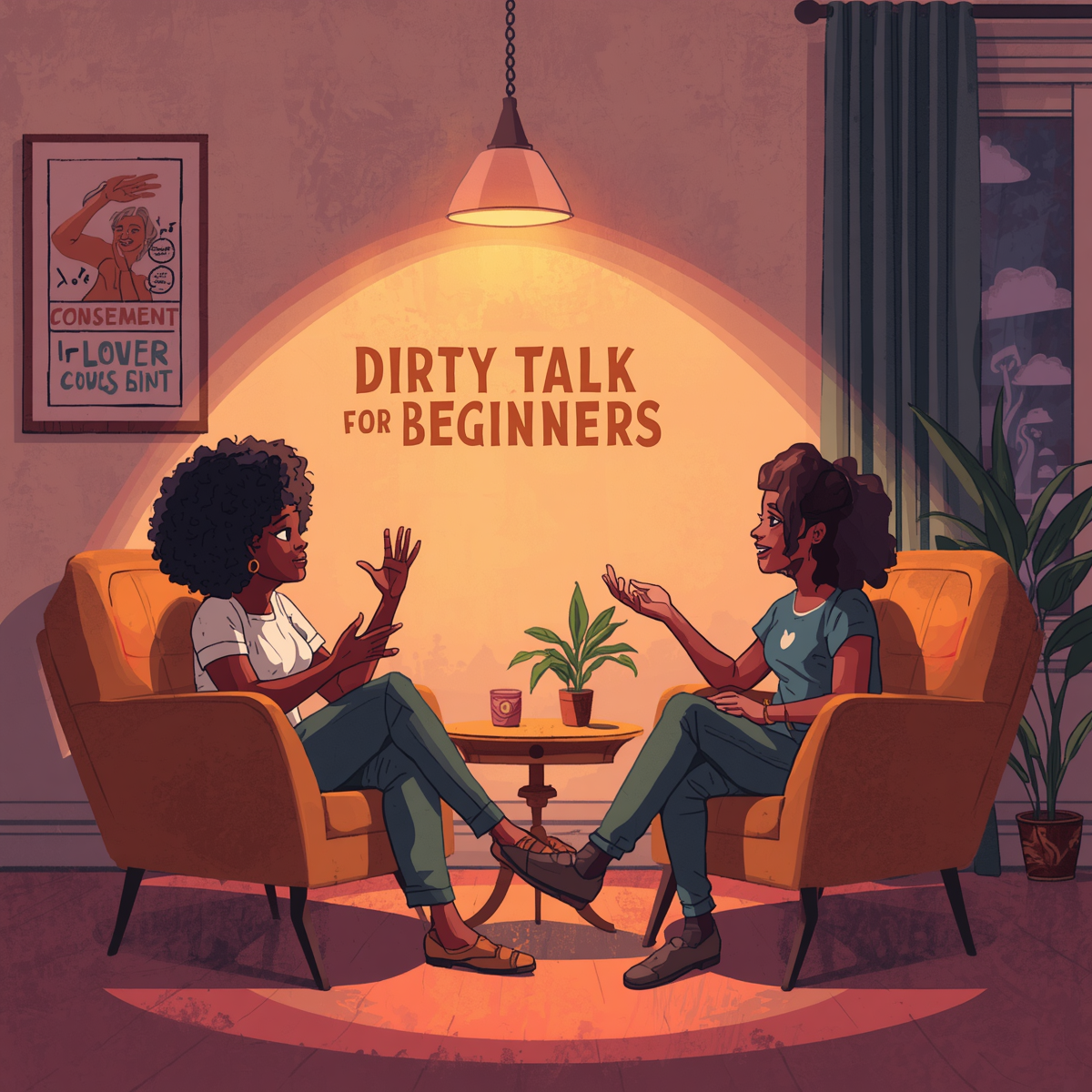
Dirty Talk for Beginners: Why It’s Actually Part of Enthusiastic Consent
When people hear the words dirty talk, they often imagine confidence, experience, or explicit language straight out of a movie. In reality, good dirty talk isn’t about performance — it’s about communication.
At its core, dirty talk can actually be part of enthusiastic consent.
Why? Because speaking during intimacy helps us express:
what we want,
what feels good,
what we’d like more of,
what we’re curious about,
and how the experience is making us feel.
That’s powerful.
For many people, saying things out loud during intimacy can feel vulnerable. We’re often taught to stay quiet about pleasure, desire, or needs. But learning to communicate in intimate moments creates safer, more connected experiences for everyone involved.
Dirty talk doesn’t need to be graphic or theatrical. Sometimes it’s as simple as:
“I really like that.”
“Can you do that again?”
“Softer.”
“Harder.”
“I want to kiss you.”
“I love how that feels.”
“You look amazing.”
These are all forms of erotic communication — and they help create mutual understanding and ongoing consent.
Being able to comfortably ask for what you want someone to do to you is a skill.
Being able to request what you want to do to another person is a skill.
Being able to name how the experience is making you feel is a skill.
And like all skills, they can be practiced.
One of the healthiest things we can bring into intimacy is openness. When we communicate clearly, we reduce guesswork and create more opportunities for pleasure, safety, reassurance, and connection.
If you’re new to dirty talk, start small:
Narrate what you enjoy.
Compliment your partner.
Ask questions.
Say yes to what feels good.
Name sensations in real time.
You don’t need a script.
You don’t need to sound “sexy.”
You just need honesty.
The truth is that enthusiastic consent isn’t only about saying “yes” or “no.” It’s also about active participation, feedback, curiosity, responsiveness, and mutual enjoyment. Communication during intimacy can become a beautiful way of checking in, connecting, and co-creating pleasure together.
So this month, consider giving yourself permission to use your voice a little more.
You deserve to be heard in your pleasure.
With warmth, curiosity, and consent,
Sammy XX

May Feature: Understanding Arousal Styles
Hi everyone,
As we move into May, I’m really noticing how often conversations in my work are returning to connection — how we build it, maintain it, and sometimes rediscover it during life’s transitions. Whether you're navigating parenthood, long-term partnership, or your own personal growth, this month’s offerings are all about strengthening relationships — with others and with yourself.
Upcoming Group Programs
(All programs are run online)
The 7 Principles of Making a Marriage Work
23rd May
9:00 AM – 5:30 PM AEST
$550 per couple
A full-day workshop designed to strengthen communication, deepen understanding, and reconnect you with your partner.
Bringing Baby Home
8th May
9:00 AM – 5:00 PM AEST
$550 (couples welcome)
Support your relationship through the transition to parenthood, with practical tools to stay connected during this major life shift.
Lessons in Love
12th June
9:00 AM – 5:30 PM AEST
$550 per person
An opportunity to explore emotional patterns, relationship dynamics, and your own personal growth in love.
Ongoing Groups & Professional Development (Online)
Women’s Perimenopausal Support Group
Every 2nd Wednesday
9:30 AM – 11:00 AM AEST
$40
Next May session: Building confidence and communication skills in a supportive environment.
Professional Book Club
Last Friday of the month
9:00 AM – 10:00 AM AEST
$40
May focus: 31 Days to Great Sex
Group Supervision for Clinical Professionals
Last Wednesday of the month
9:00 AM – 10:00 AM AEST
$40
May case discussion: Exploring PND and the impacts on body image in the perinatal period.
May Feature: Understanding Arousal Styles
One of the most common misconceptions about desire is that it looks the same for everyone. In reality, arousal is deeply personal — and understanding your own style (and your partner’s) can be transformative.
Here are a few different arousal pathways to consider:
Visual – You’re stimulated by what you see: body language, eye contact, visual cues, or imagery.
Auditory – Words, tone, and communication turn you on — from flirtation to emotional expression.
Movement & Exercise – Physical activity, energy, and being in your body can spark desire.
Playfulness – Humor, teasing, novelty, and lightness help create a sense of erotic connection.
Emotional Connection – Feeling safe, seen, and emotionally close is the foundation for arousal.
There’s no “right” way to experience desire — but getting curious about what works for you can open up new pathways for intimacy. This is something I often explore with clients and within group programs, and it can be a powerful shift when couples begin to understand each other through this lens.
If something here resonates, I’d love to have you join us in one of the upcoming programs or groups. As always, feel free to reach out with any questions.
Warmly,
Sammy XX