

50 Questions You Should Ask Before Moving In With Someone — And How to Ask Them
11 June
Moving in together can feel exciting, romantic, practical — and honestly, a little terrifying. Whether you’ve been together for six months or six years, sharing a home changes a relationship in ways dating alone never will.
Suddenly, you’re not just partners. You’re roommates, financial collaborators, chore negotiators, conflict managers, and witnesses to each other’s daily habits.
Love matters. Compatibility matters too.
The healthiest couples aren’t the ones who avoid difficult conversations. They’re the ones who know how to have them before resentment builds.
Here are 50 important questions to ask before moving in together — plus how to bring them up without turning the conversation into an interrogation or argument.
Why These Conversations Matter
A lot of couples assume love will smooth over differences. Sometimes it does. But shared living tends to magnify small issues:
Different cleanliness standards
Different spending habits
Different communication styles
Different expectations around privacy, sex, guests, and routines
The goal isn’t to find someone identical to you. It’s to understand whether your differences are manageable, respectful, and sustainable.
Think of these conversations as building a blueprint for your future home together.
Money & Finances
Money disagreements are one of the biggest sources of relationship stress. Avoid assumptions.
1. How will we split rent and bills?
How to ask:
“I’d love for us to figure out a system that feels fair to both of us financially.”
2. What happens if one of us loses income?
3. Do we combine finances or keep things separate?
4. How do you feel about debt?
5. What’s your spending style?
6. Are you a saver or more of a ‘live in the moment’ person?
7. What’s considered a “big purchase” that should be discussed first?
8. How important is budgeting to you?
9. How will groceries and household expenses work?
10. Are there financial goals you’re actively working toward?
How to ask difficult money questions:
Try curiosity instead of judgment.
Say:
“What’s your relationship with money like?”
“What did money look like growing up for you?”
“What feels financially stressful to you?”
Those questions often reveal more than numbers alone.
Cleaning & Household Habits
This is where many couples discover they have very different definitions of “clean.”
11. What does a clean home mean to you?
12. How often should chores happen?
13. What chores do you hate doing?
14. Are dishes okay in the sink overnight?
15. How do you feel about clutter?
16. Should chores be divided evenly or based on preference?
17. How clean should shared spaces stay?
18. What habits from previous roommates annoyed you?
19. How should we handle it if one person feels overwhelmed?
20. Would we ever hire cleaning help?
How to ask without sounding critical:
Avoid:
“You’re messy.”
Try:“I’ve realized I function best in a certain kind of environment. What about you?”
That keeps the conversation collaborative instead of accusatory.
Daily Lifestyle & Personal Habits
You’re about to experience each other unfiltered.
21. Are you an early bird or a night owl?
22. How much alone time do you need?
23. How much time together feels healthy to you?
24. What does your ideal weekday routine look like?
25. How do you recharge when stressed?
26. How much noise is too much noise at home?
27. Are you comfortable sharing passwords or devices?
28. What role does social media play in your life?
29. How often do you like hosting people?
30. How do you feel about pets?
How to ask thoughtfully:
Frame differences as neutral, not flaws.
For example:
“I know everyone has different routines and recharge styles. What helps you feel balanced at home?”
Communication & Conflict
Moving in together won’t eliminate conflict. It will reveal how you handle it.
31. What do you do when you’re upset?
32. Do you need space during arguments or immediate resolution?
33. What makes you feel unheard?
34. How were conflicts handled in your family growing up?
35. What’s your apology style?
36. What topics are hardest for you to discuss?
37. How should we bring up frustrations with each other?
38. What’s off-limits during arguments?
39. How do you know when a relationship feels emotionally safe?
40. What does healthy communication look like to you?
How to ask vulnerable questions:
Lead with yourself first.
Example:
“I know I tend to shut down when I’m overwhelmed. What happens for you during conflict?”
Vulnerability usually creates vulnerability.
Boundaries, Intimacy & Future Expectations
Living together can intensify expectations around commitment and the future.
41. What does moving in together mean to you emotionally?
42. Do you see this as a step toward marriage or long-term partnership?
43. How important is physical intimacy to you?
44. How do you feel about maintaining independence in a relationship?
45. What boundaries matter most to you?
46. How much privacy should exist in a shared home?
47. How involved should family and friends be in our lives?
48. What are your non-negotiables in a relationship?
49. What would make living together feel successful to you?
50. If living together became unhealthy, how would we handle it?
How to ask future-focused questions:
Keep the tone open instead of intense.
Try:
“I don’t need us to have everything figured out, but I’d love to understand how you see this chapter.”
How to Have These Conversations Without Ruining the Mood
A lot of people avoid these topics because they’re afraid it will make things “too serious.”
In reality, avoiding important conversations creates more tension than having them.
Here’s how to approach them well:
Don’t ask all 50 questions in one night
This isn’t a job interview. Spread conversations out naturally.
Pick calm moments
Avoid discussing finances or conflict styles during actual arguments.
Stay curious, not defensive
The goal is understanding — not winning.
Listen for compatibility, not perfection
Everyone has flaws. What matters is whether you can navigate them together respectfully.
Pay attention to reactions
A healthy partner may not have perfect answers, but they should be willing to communicate openly.
Red Flags to Watch For
While differences are normal, certain responses deserve attention:
Refusing to discuss money entirely
Dismissing your concerns as “dramatic”
Expecting one person to handle all emotional or domestic labor
Mocking boundaries
Explosive reactions to basic questions
Avoiding accountability
Treating compromise as weakness
Communication problems rarely disappear after moving in. Shared space usually amplifies them.
Green Flags to Look For
Healthy signs include:
Openness to compromise
Curiosity about your needs
Emotional accountability
Respect for boundaries
Willingness to problem-solve together
Ability to discuss uncomfortable topics calmly
The best relationships aren’t conflict-free. They’re emotionally safe.
Final Thoughts
〰️
Final Thoughts 〰️
Moving in together isn’t just about sharing rent or closet space. It’s about learning whether your lives function well side by side.
These conversations won’t guarantee a perfect relationship. But they can help prevent avoidable misunderstandings, resentment, and unmet expectations later.
And if someone can’t handle honest, respectful conversations before moving in together, that tells you something important too.
The goal isn’t perfection.
It’s clarity, compatibility, and communication.

What Counts as an Affair? Why the Answer Isn’t the Same for Everyone
When people hear the word affair, they often picture something obvious—secret meetings, physical intimacy, betrayal in its clearest form. But in reality, defining an affair isn’t always that simple. What feels like a deep violation to one person might seem harmless to another.
And that’s where many relationships run into trouble—not because of the act itself, but because expectations were never clearly defined.
The Truth: Affairs Are Defined by Boundaries, Not Just Actions
At its core, an affair is less about a specific behavior and more about broken trust.
For some couples, an affair only begins when there is physical intimacy. For others, emotional closeness, secrecy, or even certain online interactions can cross the line. In today’s world—where texting, social media, and digital relationships are part of daily life—the definition has expanded even further.
Here are a few common categories people often debate:
Physical affairs – Sexual or physical intimacy outside the relationship
Emotional affairs – Deep emotional connection that replaces or rivals your partner
Digital/online affairs – Flirting, sexting, or forming intimate connections online
Micro-cheating – Smaller actions (e.g., hiding messages, secret flirting) that may signal blurred boundaries
None of these are universally “right” or “wrong” on their own—it depends on what both partners have agreed is acceptable.
Why This Conversation Matters
Many couples assume they’re on the same page… until they’re not.
One partner might think, “It’s just texting, it’s harmless,” while the other feels deeply hurt and betrayed. Without a shared definition, both people can feel misunderstood—one accused unfairly, the other invalidated.
That’s why defining boundaries before problems arise is one of the healthiest things you can do in a relationship.
Relationship Boundaries Quiz: What Do You Consider an Affair?
Use this quiz to reflect on your own boundaries. There are no right or wrong answers—just insights.
1. Is it okay for your partner to regularly text someone they’re attracted to?
A. Yes, as long as it’s friendly
B. Only if I know about it
C. No, that crosses a line
2. Would you feel uncomfortable if your partner shared personal struggles with someone else instead of you?
A. No, that’s normal
B. Depends on how deep it gets
C. Yes, that feels like emotional betrayal
3. Is flirting with others acceptable?
A. Harmless fun
B. Only in certain contexts
C. No, not okay
4. How do you feel about your partner liking or commenting on suggestive photos?
A. Doesn’t matter
B. Slightly uncomfortable
C. Disrespectful
5. Should your partner keep conversations with others private?
A. Yes, everyone deserves privacy
B. Some transparency is important
C. No secrecy in a relationship
6. Is watching explicit content or engaging with it online considered cheating?
A. No
B. Depends on interaction
C. Yes
7. Would meeting an online friend alone be okay?
A. Yes
B. Only if discussed beforehand
C. No
Your Results
Mostly A’s – Flexible Boundaries
You likely see relationships as built on independence and trust, with fewer strict rules. You may not define many behaviors as affairs unless there is clear physical or emotional betrayal.
Mostly B’s – Context Matters
You value communication and transparency. For you, intent and openness determine whether something crosses the line.
Mostly C’s – Clear Boundaries
You have strong definitions of loyalty and may feel that emotional or subtle behaviors can be just as significant as physical ones.
The Most Important Takeaway
This quiz isn’t about labeling yourself—it’s about starting a conversation.
A healthy relationship isn’t about guessing what your partner considers an affair. It’s about defining it together.
Try asking:
“What would feel like a betrayal to you?”
“What boundaries make you feel safe in this relationship?”
“Where do we draw the line—with others and online?”
Because at the end of the day, the strongest relationships aren’t the ones that avoid difficult topics—they’re the ones that face them head-on, with honesty and clarity.
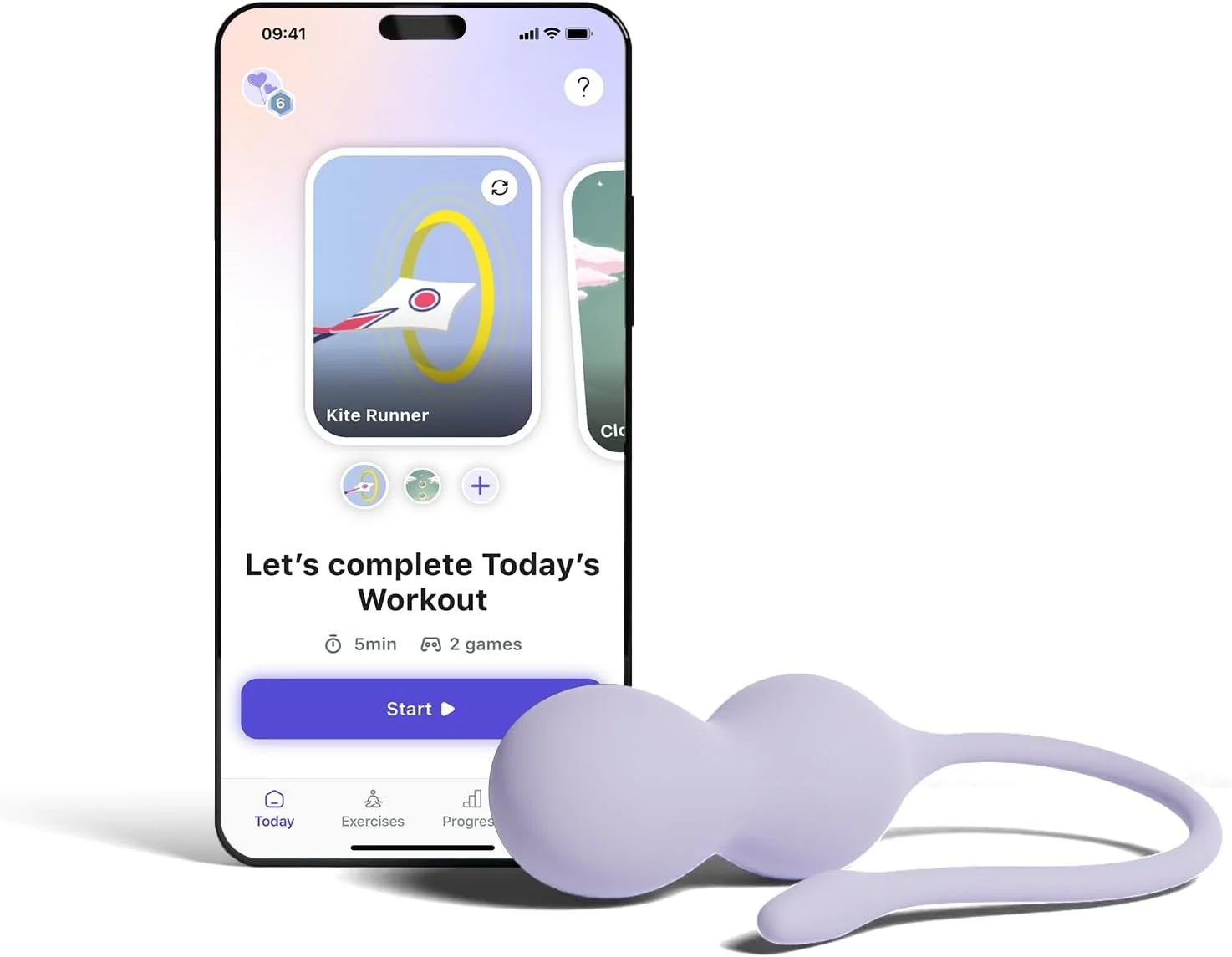
Perifit+ – The Fun Way to Strengthen Your Pelvic Floor
It All Begins Here
Welcome to the Sammy Sex Talks first product review entry, and trust me, I have not saved the best for last. Ladies, you will love this first product..
It can be so overwhelming picking the right product when there is so much selection. And let’s face it, too many choices can create a feeling of anxiety. With that in mind, it is my hope that I can reduce this anxiety by providing honest feedback that not only comes from my personal experiences, but also through my professional knowledge.
Vagina owners, meet the Perfit +.
➤ Now I am sure that as soon as I mention pelvic floor muscles, everyone clenched, because you remembered to clench because we all know how important it is to exercise our pelvic floor muscles. Are you clenching correctly? Now you are thinking, “I am not sure, how can I tell”. And this is just one reason why I love the Perifit +. It takes the guess work out of “am I doing this right”.
➤ The second reason I love the Perifit+ is that it is fun. Don’t waste your time playing candy crush any longer. The Perfit+ is a fairly non confronting device inserted into the vaginal canal. It is connected to wifi and by simply downloading an app on your phone, you get to play video games with no hands.
➤ Strengthen your pelvic floors, endurance and relax response. Focus on urine frequency, incontinence, orgasm quality, and minimize risk of prolapse. No matter your age, there is always a need to exercise these very important muscles.
There are different games and the variety keeps you interested. It tracks your progress and easily keeps you motivated with lots of positive reinforcement. I wish that positive reinforcement was a little vibrate when you beat your personal best, but alas, it is just a “good job” displayed on the screen. I also wish that you could play with your friends. I am very close with my friends and no shame when it comes to discussing sexual health. You can join a community and anonymously play with other players. This will have to do for now.
So in summary, it is fun, purposeful and motivating to do the exercise that we all forget to do and know that we should be taking care of. Become confident in knowing that you are doing your exercises correctly with an individual plan meeting your specific needs. The real time biofeedback is very helpful and great to track your progress.
On the downside, I would love to be able to play pelvic floor video games against my friends and is no little vibrate for doing a good job, but it is a small price to pay for such a fantastic product.
⟶I think the price is fair for what it offers and I was told the product will last 3 years.
I had the older version of the Perifit and it lasted 5 years with the original battery, so I'm hoping the Perifit+ is just as durable. The Perift+ makes the list for one of my favourite things, so please check it out on my website and you can purchase from the link provided. Get one for yourself, or get one for a loved one, but just get one and make the world a better place with one stronger pelvic floor at a time.

Spicing Up Your Relationship This Valentine’s Day: It’s About Connection, Not Perfection
It All Begins Here
Valentine’s Day often comes with big expectations — grand gestures, perfect dates, and the idea that romance should look a certain way. But for many couples, what truly brings a sense of closeness isn’t extravagance. It’s intention, presence, and a willingness to reconnect.
Spicing up your relationship doesn’t have to mean doing something dramatic or unfamiliar. Often, it’s about returning to the foundations of intimacy: curiosity, playfulness, and feeling truly seen by one another.
Start With Emotional Intimacy
Before focusing on doing something different, it can help to check in emotionally. When was the last time you asked your partner how they’re really feeling — about life, about the relationship, about themselves? Creating space for honest conversation can be deeply connecting and can naturally rekindle closeness.
Try setting aside uninterrupted time to talk, even if it’s just over a shared meal or a walk. Put phones away, slow down, and be present.
Bring Curiosity Back Into the Relationship
Long-term relationships can sometimes slip into autopilot. One way to “spice things up” is by rediscovering curiosity about your partner. Ask questions you haven’t asked before — or revisit old ones.
What helps them feel most loved right now? What’s changed for them over the past year? What brings them joy, comfort, or excitement? Curiosity keeps relationships alive.
Small Changes Can Create Big Shifts
Spice doesn’t have to be dramatic. It can be as simple as:
Changing routines (a new date idea, a different environment)
Introducing intentional touch (holding hands, lingering hugs)
Expressing appreciation more openly
Doing something playful or novel together
These small shifts signal care and attention — powerful ingredients for connection.
Intimacy Is About Feeling Safe and Chosen
For many couples, intimacy deepens when both partners feel emotionally safe and valued. This Valentine’s Day, consider focusing less on “performance” and more on presence. Feeling chosen, listened to, and appreciated can be far more meaningful than any external gesture.
Let Valentine’s Day Be an Invitation, Not a Test
Rather than seeing Valentine’s Day as a measure of your relationship, let it be an invitation — to reconnect, to talk, to laugh, and to intentionally nurture your bond. Relationships don’t need to be perfect to be deeply fulfilling; they need care, curiosity, and compassion.
Sometimes, the most meaningful way to spice things up is simply to turn toward each other again.

Surviving Valentine’s Day When You’re Single
It All Begins Here
Valentine’s Day can be a complicated experience when you’re single. Even if you’re usually comfortable on your own, the constant reminders of romance — advertisements, social media, and well-meaning comments — can stir up feelings of loneliness, grief, frustration, or self-doubt.
If this day feels heavy, know that there’s nothing wrong with you. It makes sense.
You Are Not “Behind”
Being single on Valentine’s Day does not mean you’ve failed, missed out, or fallen behind in life. Relationships are not milestones that determine worth or success. Many people move in and out of relationships across their lives, and being single is a valid, meaningful place to be — not a problem to solve.
It’s Okay to Feel Mixed Emotions
You don’t have to force yourself to feel empowered or positive. You can feel content and lonely. Independent and longing for connection. Letting yourself feel whatever arises — without judgment — can actually make the day easier to move through.
Reclaim the Meaning of Love
Valentine’s Day doesn’t have to be only about romantic love. Love exists in friendships, family, community, creativity, care for self, and the way we show up for others. Consider how you might honour the relationships that nourish you — or how you might offer yourself kindness and care today.
That might look like:
Spending time with a friend or loved one
Treating yourself to something nurturing
Engaging in an activity that grounds or soothes you
Setting boundaries with social media if it feels overwhelming
You Are Allowed to Opt Out
If Valentine’s Day feels like too much, it’s okay to disengage. You don’t owe anyone a performance of happiness or resilience. Choosing rest, distraction, or neutrality is not avoidance — it’s self-respect.
Connection Isn’t Only Romantic
Longing for connection is deeply human, and it doesn’t make you weak or needy. At the same time, romantic partnership is only one of many ways connection can exist. Your life can hold depth, meaning, intimacy, and love in many forms — including now.
This Day Will Pass
Valentine’s Day is just one day. How you feel on it doesn’t define your future or your capacity for love. Be gentle with yourself, move at your own pace, and remember that you are already whole — with or without a partner.